Building a Life & Business from Southeast Asia

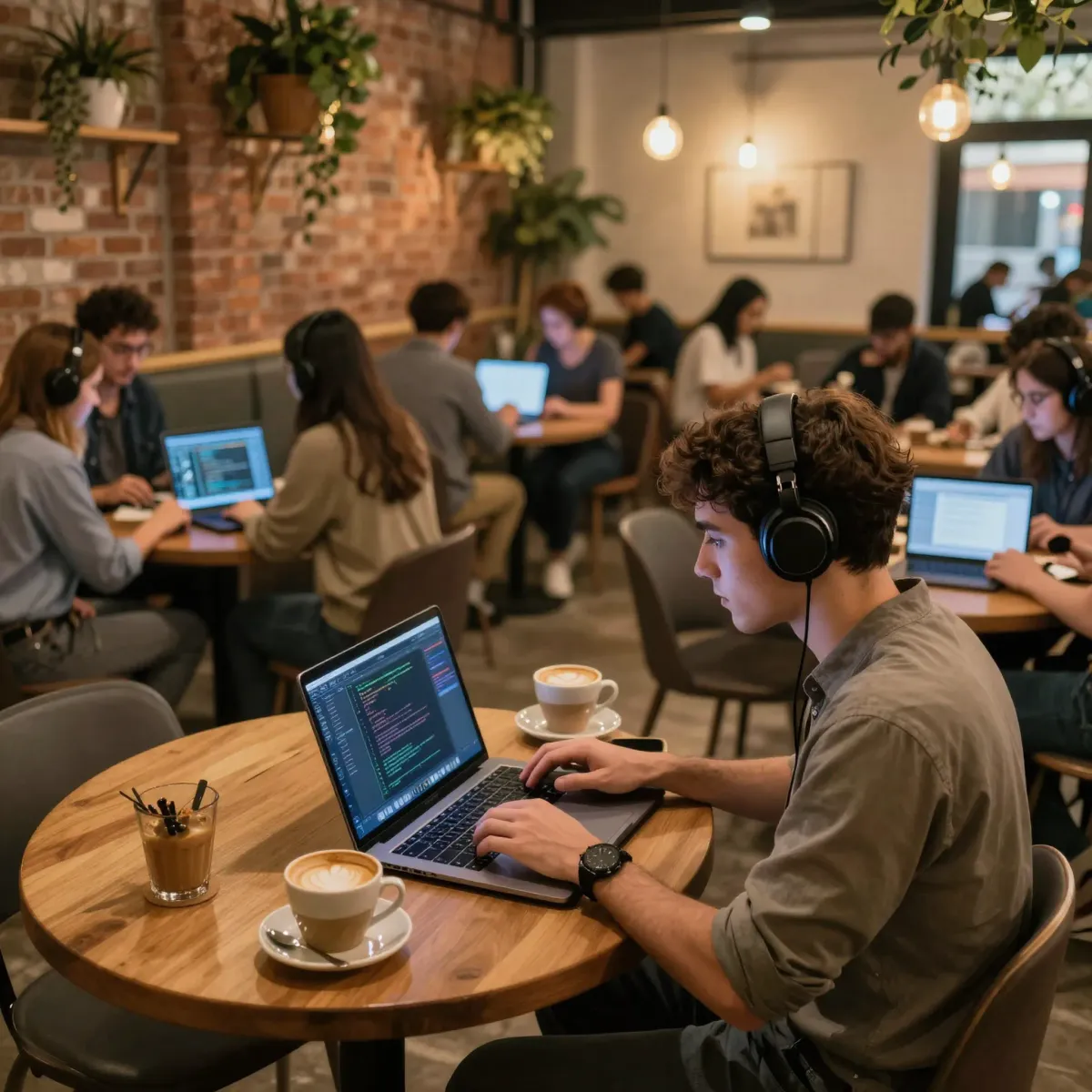
I’m writing this from a café in Phnom Penh, the mother city of Cambodia and it still feels strange to say that this is just… normal now. No commute. No fixed office. No city I feel permanently tied to. My “workspace” changes every few months, but the work itself stays exactly the same. Systems run. Clients onboard. Strategies execute. Capital moves. The environment shifts, but the machine keeps working.
When I first imagined living like this, I thought it would feel like freedom in the obvious sense. Less structure, more flexibility, more space. But the reality is almost the opposite. Living and working from this side of the world has made me more structured than ever. More intentional. More aware of how every system in my life actually works. It's like I've had time to look deeply at myself from a new higher perspective.
Back home, everything felt heavier. Not just financially, but mentally. The noise, the pace, the expectations, the sense that you’re always supposed to be somewhere else, doing something else, chasing the next milestone. Here, everything feels quieter. There’s less noise, less pressure, less distraction. Because of that, you start noticing your own habits a lot more. You can’t really hide behind being “busy” anymore. Either your systems work, or they don’t.
What surprised me most is that nothing about my business actually changed when I moved. My clients aren’t here. My platforms aren’t here. My capital isn’t here. My work was already digital long before my life became location-independent. The biggest change wasn’t moving countries. It was changing how I organise my time. I stopped thinking in terms of places, and started thinking in terms of processes.
Instead of asking, “Where do I need to be?”, I now ask, “What needs to function without me today?”
Living here makes it impossible to pretend that hustle equals progress. There’s too much space, too much calm, too much perspective. You start to realise that real leverage doesn’t come from doing more. It comes from building things that keep working when you step away. Automated systems. Repeatable processes and infrastructure that doesn’t rely on your constant presence.
That’s why this chapter of my life feels less like “travel” and more like a period of real growth. Can my business run without me sitting in a specific chair, in a specific country, on a specific schedule? Can my income survive distance? Can my systems handle uncertainty? Can my identity exist without a fixed environment to anchor it?
Every month here quietly answers those questions.
There’s also something grounding about building from a place where you’re not chasing status. Nobody here cares what you do. Nobody knows your background. Nobody is impressed by titles or numbers. You’re just another person with a laptop in a city full of people doing their own thing. That feeling of being anonymous is powerful. It strips your work down to its essence. You either enjoy the process, or you don’t. You either believe in what you’re building, or you’re just distracting yourself with movement.
And that’s probably the biggest shift I’ve noticed: I’m no longer building for appearance. I’m building for purpose. Systems that feel boring but stable and decisions that make sense five years from now, not just on social media.
Being in Southeast Asia has taught me that location independence isn’t about escaping responsibility - it’s about being forced to take full ownership of it. When everything is flexible, the only thing that keeps you grounded is the structure you create yourself.
Building a life and business from Southeast Asia isn’t about working from anywhere. It’s about proving that what you’ve built doesn’t need you to stand in one place to exist.
Travel changes more than just your location… it changes how you feel in your own life. It creates space to breathe, to think clearly, to reconnect with what actually matters. Building a business while moving through the world feels less like chasing success and more like designing a life that supports your wellbeing, not competes with it.
— Zack Rens
The Young Founders Report